We Have Pi Pi Day: A Designer’s Embroidery Review
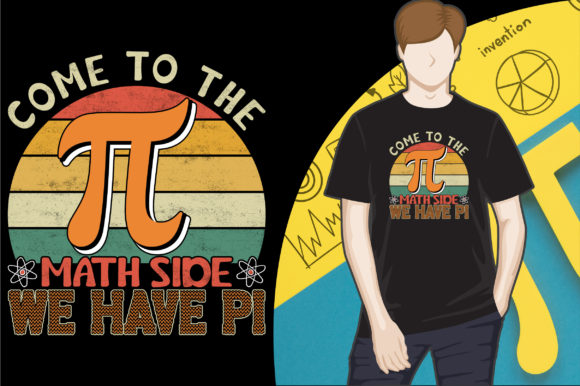
As an embroidery designer who has spent countless hours digitizing and stitching out typography-based motifs, I approach every new machine embroidery design with a mix of curiosity and caution. Typography is notoriously tricky in the hoop. What looks crisp on a screen can easily turn into a tangled mess of thread if the spacing isn’t right or if the stitch density is too high for the fabric. When I first pulled up the We Have Pi Pi Day T-Shirt Design, my immediate goal was to determine if this was merely a cute graphic or a viable asset for real-world production.
The concept plays on the beloved March 14th holiday, blending mathematical humor with casual wearability. For those of us running a craft business or selling on platforms as an Etsy seller, seasonal designs are the bread and butter of our income. But not all seasonal graphics translate well to needle and thread. This review breaks down how this specific piece holds up under the pressure of actual stitching, client expectations, and garment durability.
First Impressions: Mood and Visual Personality
The initial visual impact of the We Have Pi Pi Day T-Shirt Design is playful yet clean. It avoids the cluttered aesthetic that plagues many holiday-themed graphics. The layout suggests a balance between legibility and decorative flair, which is crucial when you are working with thread rather than ink. The mood it creates is lighthearted and intellectual, appealing to teachers, students, engineers, and anyone who enjoys a good math pun.
From a design perspective, the typography appears to have enough breathing room between characters. This is vital because, in embroidery, letters that are too close together will merge during stitching, especially on textured fabrics. The visual personality feels modern, making it suitable not just for novelty gifts but for genuine custom apparel that someone might wear proudly beyond the holiday itself. It doesn’t scream "disposable trend"; instead, it offers a timeless geek-chic vibe that fits well within a curated boutique collection.
Real-World Application: Beyond the Basic Tee
While the product title specifies a t-shirt, my experience tells me that versatile T-Shirt Designs often perform best when adapted across different mediums. I mentally placed this design on several potential products to gauge its flexibility.
Imagine preparing a custom embroidered patch for a local science fair or a coding bootcamp. The bold lines of the typography would hold up well on twill or felt backing, creating a durable badge of honor. Alternatively, consider a tote bag design for a library or bookstore gift shop. Canvas is a forgiving fabric for embroidery, allowing the stitches to sit prominently without sinking in. The design’s clarity would make it stand out against the natural weave of the bag.
For sweatshirt embroidery, the design offers a great opportunity for texture contrast. A thick, cozy fleece provides a substantial base for the stitches, giving the final product a premium feel. However, one must be mindful of the garment’s stretch. If applying this to a thinner jersey knit, proper stabilization is non-negotiable to prevent puckering around the letterforms. I also see potential in baby embroidery projects, such as a onesie for a professor’s newborn, provided the scale is reduced appropriately to fit the smaller hoop area.
Technical Considerations for the Stitcher
Before loading any digital embroidery file into your machine, you must assess the technical demands. Typography designs live or die by their stitch path and density. While I cannot verify the exact stitch count or file formats from the description alone, I advise every user to check these details before purchase. A high-density fill stitch might look solid on screen but could cause registration issues or fabric distortion if not properly supported.
Here are critical factors to evaluate for the We Have Pi Pi Day T-Shirt Design:
- Hoop Size: Confirm the design fits your available hoops. If it’s large, ensure your machine can handle the jump stitches without excessive trimming.
- Stitch Density: Check if the text uses satin stitch or fill stitch. Satin stitches offer a shiny, smooth finish but are limited in width. Fill stitches provide coverage but add bulk.
- Fabric Texture: Test on scrap fabric first. Textured towels or waffle knits may obscure fine details, while smooth cottons will show every imperfection.
- Thread Colors: High contrast is key. A dark thread on a light shirt works best for readability. Avoid low-contrast combinations like gray on black unless aiming for a subtle, tonal effect.
When working with curved surfaces like caps, the design’s layout becomes even more critical. Centering the text properly on a front panel requires precision. If the design includes small decorative elements or tiny lettering, these may not survive the curvature of a hat brim or the stretch of a fitted cap. In such cases, simplifying the design or increasing the outline thickness might be necessary.
Navigating Challenges: Dark Fabrics and Stretchy Materials
One common challenge with typography Graphics is visibility on dark fabrics. If you plan to stitch this on a navy or black garment, consider using a lighter thread color or adding a subtle underlay to boost the height of the stitches. Without proper planning, the design can get lost in the fabric’s pile.
Stretchy fabrics present another hurdle. If you are creating holiday embroidery gifts like leggings or active wear, the design must accommodate movement. Using a cut-away stabilizer rather than a tear-away can provide the necessary support to keep the stitches intact after multiple washes. Always test the finished product for durability. Pull the fabric gently to see if the stitches gap or break. This step builds customer trust and ensures your handmade product meets professional standards.
Commercial Viability and Brand Consistency
For small shop product creators, the appeal of the We Have Pi Pi Day T-Shirt Design lies in its niche marketability. It targets a specific audience—math enthusiasts, educators, and STEM professionals—who are often underserved by mainstream fashion. By offering this as part of a broader collection of educational or hobbyist-themed items, you can build brand consistency and recognition.
However, commercial use requires due diligence. Before listing this as a commercial embroidery item, confirm the licensing terms. Does the purchase allow for unlimited physical sales? Are there restrictions on digital redistribution? Understanding these boundaries protects your business and respects the original creator’s rights. Additionally, creating printable mockup images or digital previews can help customers visualize the final result, boosting buyer engagement and reducing return rates.
Final Verdict: A Practical Asset for Makers
The We Have Pi Pi Day T-Shirt Design is more than just a seasonal novelty; it is a practical design asset for makers who understand the nuances of embroidery. Its strength lies in its clear typography and versatile theme, which can be adapted for various embroidery project types, from aprons in a science lab to pillow covers in a study nook.
To maximize its potential, treat it with the respect any professional design deserves. Test it on different fabrics, adjust your tension, and choose your thread colors wisely. When executed with care, this design can elevate your finished product, turning a simple piece of clothing into a cherished personalized gift. Whether you are a hobbyist looking to surprise a friend or a seasoned apparel decorator expanding your catalog, this design offers a solid foundation for creative expression. Just remember to check the specific technical specs provided by the store to ensure seamless integration into your workflow.