Reviewing the Happy Halloween T-shirt Vector Design
As an embroidery designer who has spent years translating digital art into thread, I approach every new machine embroidery design with a mix of excitement and skepticism. We all know that what looks crisp on a screen does not always translate well to fabric. Recently, I evaluated the Happy Halloween T-shirt Vector Design, a piece categorized under Print Templates and Graphics, to determine its viability for real-world stitching projects. This is not just about aesthetics; it is about functionality, stitchability, and commercial potential for craft business owners.
First Impressions and Visual Mood
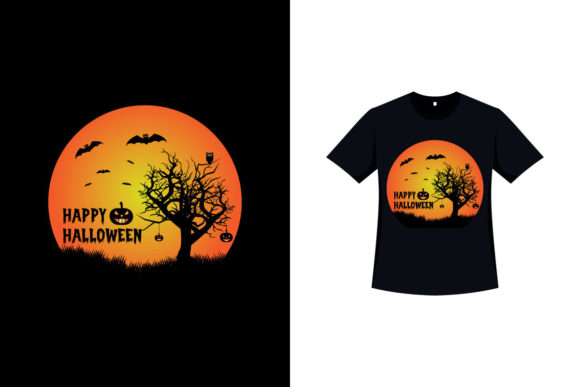
The initial visual impact of this design is striking. Featuring autumn leaves, pumpkins, and a horns head devil motif, it captures the playful yet spooky essence of the season. The vector graphic nature of the source file suggests clean lines and scalable elements, which is a promising start. However, as embroiderers, we must look beyond the flat image. The layout combines organic shapes like leaves with the sharper angles of the devil horns, creating a dynamic contrast. For a handmade product, this balance is crucial. It avoids being too childish or too aggressive, making it versatile for various demographics.
When I imagine this as an embroidery project, the mood feels festive and boutique-ready. It is not the generic clip-art style often seen in mass-produced items. Instead, it has a curated feel that appeals to Etsy sellers and small shop owners looking to differentiate their holiday embroidery offerings. The eye-catching nature of the vector illustration suggests it will stand out on social media feeds, which is vital for digital product previews and printable mockups.
Real-World Application Scenarios
To truly test the value of this design, I mentally placed it on several common substrates. The most obvious application is custom apparel. On a black or deep orange sweatshirt, the pumpkin and leaf elements would pop beautifully. I envision using a combination of satin stitch for the outlines and fill stitch for the larger pumpkin bodies to create texture. For a tote bag design, the durability of the stitch pattern becomes key. A heavy canvas tote can handle higher stitch density, allowing for a richer, more detailed finished product.
Another strong candidate is the embroidered patch. Patches are trending, and this design’s contained shape fits well within standard hoop sizes. Creating a patch allows for experimentation with applique design techniques, where fabric pieces replace dense stitching to reduce bulk. This is particularly useful if you are working with textured fabrics or want a lighter feel. For baby embroidery, caution is advised due to the devil motif, but the pumpkin and leaf elements could be isolated for a softer, autumn-themed onesie or blanket.
I also considered kitchen towels and aprons. Holiday embroidery on home goods is a steady seller. The design’s horizontal spread might work well across the hem of an apron, adding a festive touch to baking sessions. However, the complexity of the horns and leaves requires precise digitizing to ensure the running stitch connections do not become messy on terry cloth.
Navigating Technical Challenges
While the design is beautiful, there are areas where careful attention is required. Small hoop sizes may struggle to capture the intricate details of the autumn leaves if the design is scaled down too much. Tiny lettering or fine lines in vector graphics often disappear under thread coverage. I recommend checking the stitch density carefully. If the original file is a vector graphic intended for print, it lacks the stitch data necessary for embroidery machines. You will need to ensure you have a proper digital embroidery file that has been professionally digitized.
Textured fabrics present another challenge. On a fluffy fleece sweatshirt, small details can get lost. In such cases, increasing the size of the design or simplifying the stitch count in non-critical areas helps maintain clarity. Dark fabric backgrounds require thoughtful thread color selection. High-contrast thread colors are essential to make the design visible. Testing the design in black and white mockups before stitching can help identify potential visibility issues.
Curved surfaces like caps require special stabilization. The horns head devil element has points that could pucker if not properly supported. Using a sturdy stabilizer is non-negotiable here. Additionally, stretchy fabric demands a cut-away stabilizer to prevent distortion after washing. Always test the design on scrap fabric first to gauge how the thread interacts with the material.
Commercial Viability and Brand Consistency
For commercial embroidery projects, consistency is key. This design offers a cohesive look that can strengthen brand identity for boutique branding. Customers trust handmade products that look professional and well-executed. The visual appeal of this design can drive buyer engagement, especially during the peak Halloween season. It serves as a strong asset for craft fair products, where eye-catching displays are essential.
However, licensing is a critical factor. Before selling finished items or digital products, confirm the license terms associated with the Print Templates and Graphics source. Not all vector files come with commercial rights for physical goods. As an experienced reviewer, I advise checking whether the design works for both personal and commercial projects explicitly. If the details are not provided in the product description, reach out to the creator or platform for clarification.
Practical Designer Notes
- Test on Scrap Fabric: Always run a test stitch-out to check for thread breaks, nesting, or puckering.
- Check Thread Color Contrast: Ensure your thread palette complements the fabric color, especially for dark backgrounds.
- Review Stitch Density: High density can cause stiffness; adjust if necessary for wearable items.
- Confirm Hoop Size: Make sure the design fits within your machine’s maximum hoop capacity without resizing excessively.
- Inspect Small Details: Zoom in on the vector file to see if tiny elements will translate to stitches.
- Use Proper Stabilizer: Match the stabilizer type to the fabric weight and stretch.
- Verify Licensing: Never assume commercial rights; read the terms for the digital embroidery file carefully.
In conclusion, the Happy Halloween T-shirt Vector Design holds significant promise for creative entrepreneurs. With careful digitizing and thoughtful material selection, it can elevate personalized gifts and small shop products. It is a reminder that while the source graphic is important, the execution in thread is what truly defines the quality of the final product. By approaching this design with a practical, observant mindset, you can create stunning holiday embroidery that resonates with customers and stands the test of time.